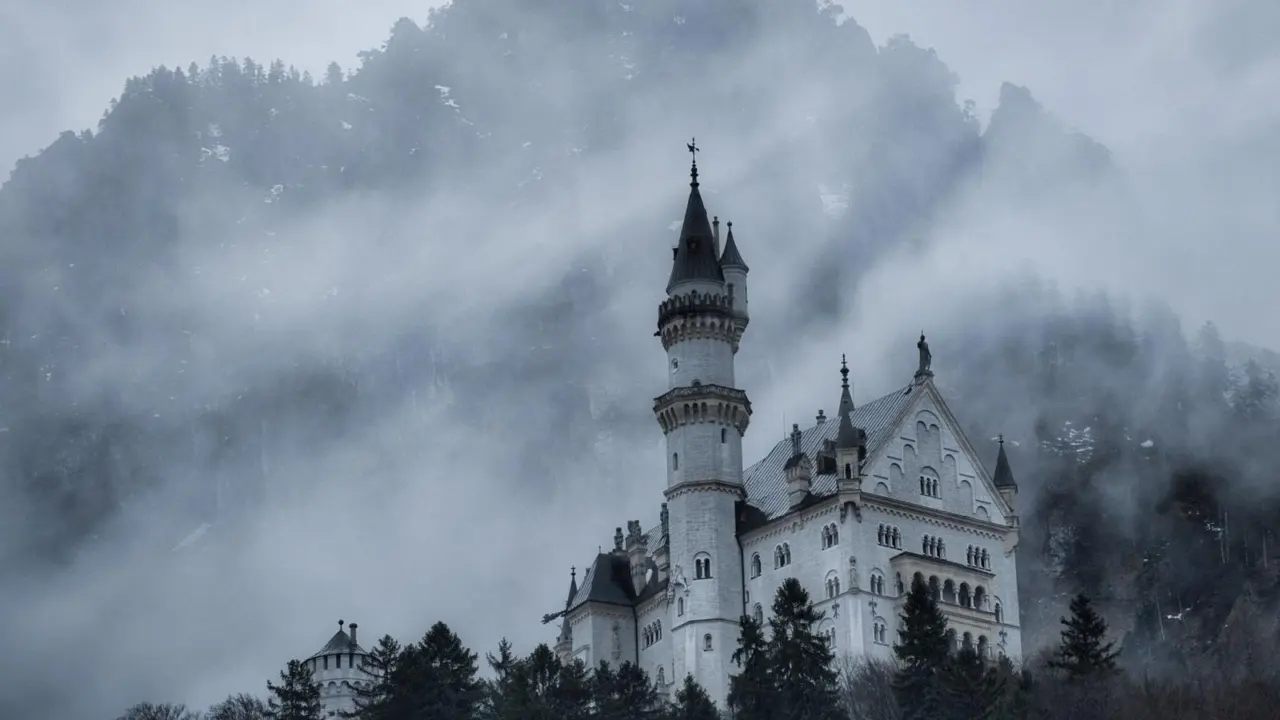
Wondering what makes a story gothic? The core gothic literature characteristics are ruined settings, creeping fear, the supernatural and a past that refuses to stay buried. Spot those traits and you can recognise the genre.
For the wider map of genres and movements, browse the literature guide.
| Item | Value |
|---|---|
| Walpole’s The Castle of Otranto, the first work labelled Gothic | 1764 |
| Radcliffe’s The Mysteries of Udolpho | 1794 |
| Shelley’s Frankenstein | 1818 |
| Stevenson’s Strange Case of Dr Jekyll and Mr Hyde | 1886 |
| Stoker’s Dracula | 1897 |
The dates come from Wikipedia’s entry on Gothic fiction and EBSCO’s research starter on gothic literature. Publication dates and scholarly accounts can change or differ between sources, so check the sources before you rely on the figures.
Haunted settings: ruins, castles and crypts
The most visible of the gothic literature characteristics is place. According to Wikipedia, characteristic gothic settings in the 18th and 19th centuries include castles and religious buildings such as monasteries, convents and crypts.
These buildings are rarely in good repair. Gothic fiction often uses ruins as proof of transience: they stand for the fragility of human works and the changeable nature of history. The EBSCO research starter adds that much of the action unfolds in dark, gloomy corridors inside equally dreary castles that are often deeply decayed.
Wikipedia explains that a gothic building does several jobs at once. Putting one in a story:
- implies that the story is set in the past;
- conveys isolation from the rest of the world;
- indicates religious associations;
- evokes feelings of awe.
Architecture can also mirror the plot. In The Castle of Otranto, the buildings are riddled with secret tunnels, which echoes the secrets around how Manfred’s family came to possess the castle, as Wikipedia notes.
Atmosphere, fear and the supernatural
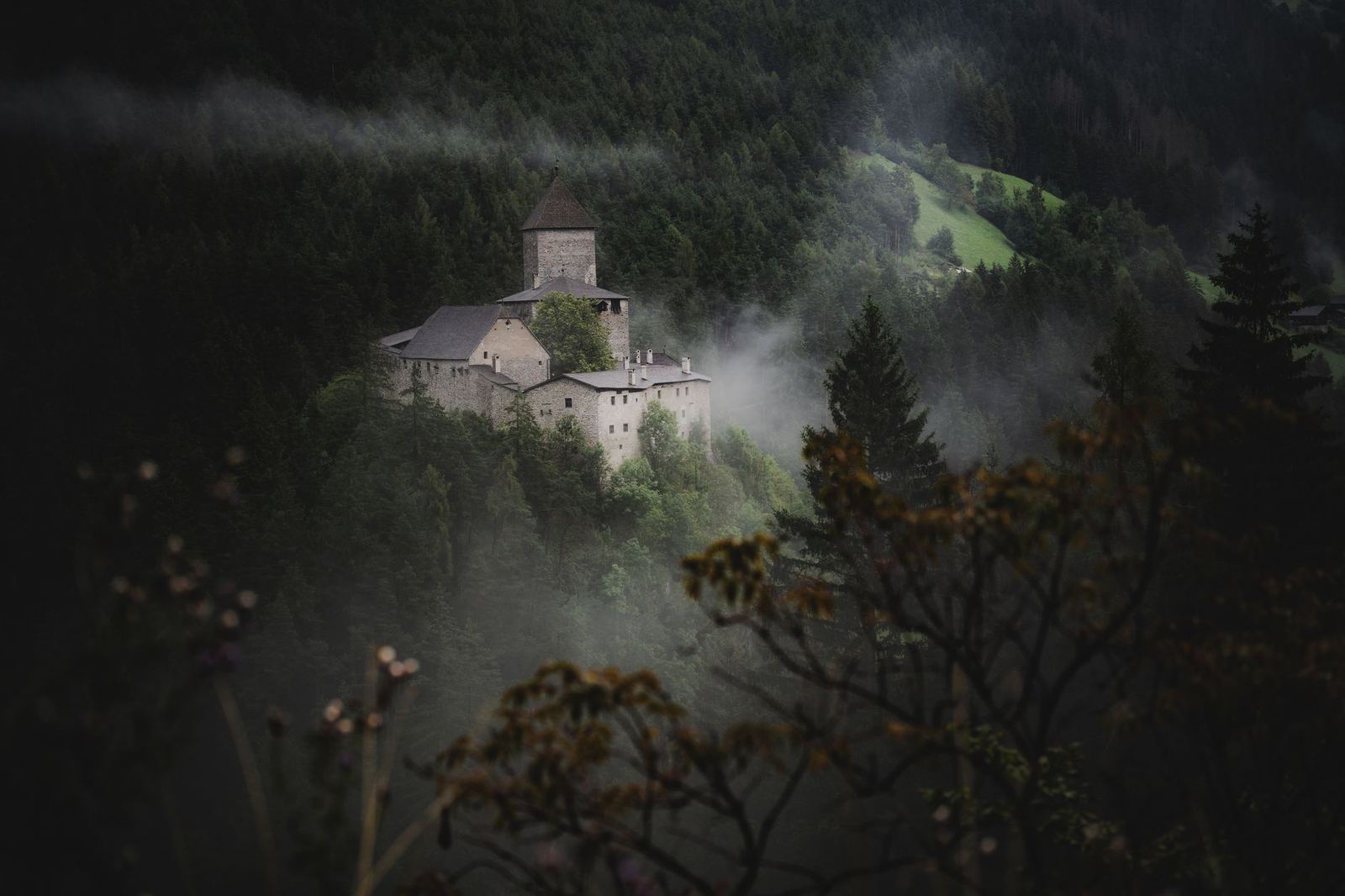
Gothic fiction is characterised by an environment of fear, the threat of supernatural events and the intrusion of the past upon the present, per Wikipedia. The atmosphere is typically claustrophobic, so readers feel hemmed in along with the characters.
A literary account hosted by Literariness describes the spirit of the gothic as a tone of high agitation, with anxiety, fear, unnatural elation and desperation that are almost impossible to resolve. That tone is what separates a gothic scene from an ordinary spooky one.
Common plot elements across the sources include:
- vengeful persecution;
- imprisonment and captivity;
- murder;
- torture, physical or psychological;
- a presence seeking revenge from beyond the grave.
The horror often has a second layer. Wikipedia says the depiction of horrifying events frequently works as a metaphor for psychological or social conflicts, so a haunted house can stand in for a haunted mind or a troubled society.
Supernatural or explained away?
Not every gothic author lets the ghost be real. In all of Ann Radcliffe’s works, the spooky events are explained by rational, if unlikely, circumstances, according to EBSCO, which dates her The Mysteries of Udolpho to 1794.
The same source argues that the terror lives in the moments when events are experienced by the hero or heroine but remain unexplained. Henry James’s The Turn of the Screw (1898) keeps that ambiguity alive: scholars have debated whether its governess has experienced a haunting or is insane.
Stock characters: maidens, villains and flawed heroes
The gothic cast is recognisable at a glance. EBSCO lists the usual figures:
- a virtuous maiden in need of rescue, often at the romantic heart of the novel;
- a villain who is typically aristocratic, insane or grotesque, sometimes supernaturally so;
- flawed heroes;
- fervently religious characters;
- foolish servants.
The double became a favourite gothic theme later on. The same source cites Robert Louis Stevenson’s Strange Case of Dr. Jekyll and Mr. Hyde (1886) as a popular example of a character in conflict with a shadow self.
Gothic structure: stories within stories
Gothic books often feel as tangled as their castles. Wikipedia describes the form as usually discontinuous and convoluted, with tales within tales, changing narrators and framing devices such as discovered manuscripts or interpolated histories.
Walpole set the pattern. According to Wikipedia, his Otranto was presented as a fictitious translation of a medieval narrative, and Literariness reports that its preface proclaimed the book a found manuscript. Readers were invited to treat the tale as a long-lost history rather than a new invention.
The same Wikipedia passage lists smaller motifs that can turn up whether or not they matter to the main plot:
- sleeplike and deathlike states;
- live burials and doubles;
- unnatural echoes or silences;
- the discovery of obscured family ties;
- unintelligible writings;
- nocturnal landscapes and remote locations;
- dreams.
Where did the genre come from, and who shaped it?
The word gothic began as a Renaissance-era insult meaning medieval and barbaric. The first work to be labelled Gothic was Horace Walpole’s 1764 novel The Castle of Otranto, later subtitled A Gothic Story, according to Wikipedia.
EBSCO places the genre’s rise in the late eighteenth century, in contrast to the order and gentility of the Enlightenment. Its research starter, available at EBSCO, notes that gothic writers, like other romantics, drew on the past and on medievalism.
A few landmark titles show how the genre travelled:
- Ann Radcliffe, The Mysteries of Udolpho (1794), with its fictional Italian castle;
- Mary Shelley, Frankenstein (1818), which Wikipedia says has come to define Gothic fiction in the Romantic period;
- Robert Louis Stevenson, Strange Case of Dr Jekyll and Mr Hyde (1886);
- Bram Stoker, Dracula (1897).
The tradition did not stop there. Wikipedia names Daphne du Maurier, Shirley Jackson and Toni Morrison among 20th-century contributors, and Literariness calls the gothic novel a living tradition that surfaces in horror fiction and some women’s romances.
How gothic sits beside other genres
Gothic overlaps with several neighbours. EBSCO says it has influenced numerous works across different forms, including science fiction and horror, and intersects with subgenres such as Southern Gothic and Victorian literature.
A useful companion read on how genres handle the impossible is this explainer on what is magical realism. Readers weighing genre labels against more character-driven fiction can compare notes in this explainer on what is literary fiction.
Frequently asked questions
What are the main gothic literature characteristics?
Show answer
The sources point to haunted or decaying settings such as castles and crypts, an atmosphere of fear and claustrophobia, supernatural or seemingly supernatural events, and a past that intrudes on the present. Typical figures include a maiden in peril, an aristocratic villain and a flawed hero.
What is the first gothic novel?
Show answer
Wikipedia names Horace Walpole’s The Castle of Otranto (1764) as the first work labelled Gothic. A Literariness account says Walpole began writing it in June 1764 and published the first edition in early 1765, so dates vary slightly by source.
Does the supernatural have to be real in a gothic story?
Show answer
No. According to EBSCO, Ann Radcliffe explained her spooky events by rational circumstances, while Henry James’s The Turn of the Screw leaves open whether the governess sees real spirits or is insane.
Why do castles and ruins matter so much?
Show answer
Wikipedia says a gothic building implies the past, conveys isolation, indicates religious associations and evokes awe. Ruins also suggest the collapse of human creations and inevitable decay.