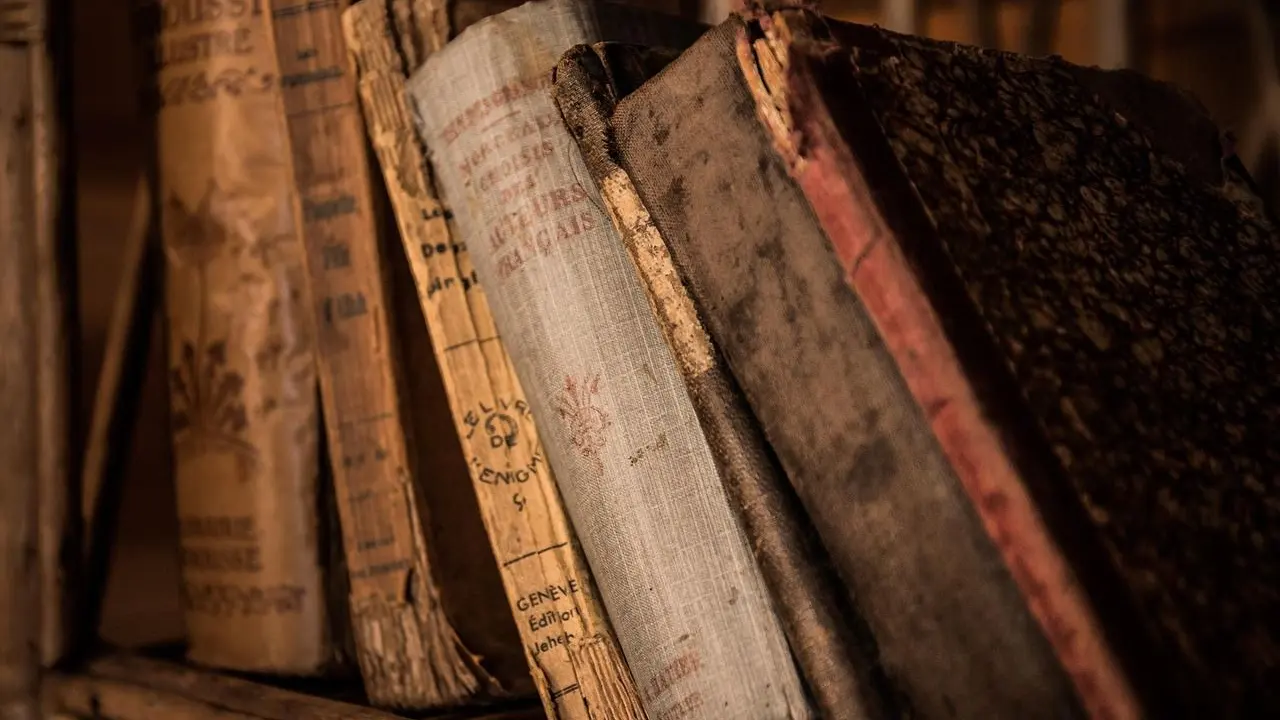
Not sure which classic novels to read first? Start with approachable, story-driven books such as Frankenstein, Emma or Animal Farm, then move to longer works like Middlemarch once you’ve found your pace.
For the wider picture of genres and eras, browse our literature guide.
| Item | Value |
|---|---|
| Madame Bovary, year of publication | 1857 |
| The Thirty-Nine Steps, time in print | Never out of print since 1915 |
| Greyfriars Bobby, length of the dog’s vigil | Fourteen years |
| Kidnapped, David Balfour’s age when orphaned | Seventeen |
| Middlemarch, BBC list | Among BBC’s 100 Novels That Shaped Our World |
These figures come from Pan Macmillan’s classics edit and Penguin Random House’s classics list. Publishers update their pages, so check the source before you rely on the figures.
What makes a novel a classic?
Italian writer Italo Calvino, in his book Why Read the Classics?, defined classics as “books which, the more we think we know them through hearsay, the more original, unexpected, and innovative we find them when we actually read them.” That is good news if you feel you already know a book from films and memes. Pan Macmillan’s edit quotes the definition.
Harriet Sanders, Publisher of Macmillan Collectors’ Library, says a classic “has to have endured and stood the test of time” and deals with universal themes. In other words, a classic earns its place by still speaking to readers long after its first publication.
If you enjoy spotting those shared ideas, our literary themes examples show how the same concerns reappear across very different novels.
Easy classics to start with
Starting a classic can feel like homework. Pan Macmillan’s beginners’ guide from July 2024, written by Harriet Sanders, picks accessible novels that suit a first-time reader.
- Emma by Jane Austen: Sanders calls it an easier read and funnier than Pride and Prejudice, a comedy of manners about a matchmaker who gets things wrong.
- Jane Eyre by Charlotte Brontë: a brave, strong heroine and one of the most affecting and enduring love stories of all time.
- Animal Farm by George Orwell: a brilliant satire on the corrupting effects of power, disguised as a farmyard tale.
- Frankenstein by Mary Shelley: described as gripping, frightening and touching, with the monster and his creator locked in pursuit.
- Little Women by Louisa May Alcott: light relief, following Meg, Jo, Beth and Amy through hardship and romance.
- The Great Gatsby by F. Scott Fitzgerald: arguably the most famous novel in American literature, set in the Jazz Age.
- I Capture the Castle by Dodie Smith: a family drama told through the journal of an aspiring writer, Cassandra Mortmain.
- Far From the Madding Crowd by Thomas Hardy: an exception to Hardy’s reputation for heavy, tragic books.
Pick the title whose premise makes you curious. Enjoyment matters more than order, and a book you finish will do more for your confidence than a famous one you abandon.

Classic novels to read for love, class and society
Many of the best-known classics are about how people live together, and how money, rank and rules shape their choices. These are the ones to try if you like character-driven stories.
- Pride and Prejudice by Jane Austen: a sharp, witty exploration of love, class and character beneath the genteel surface of Regency England.
- Sense and Sensibility by Jane Austen: Elinor feels too little and Marianne feels too much, in a society governed by rules and constant scrutiny.
- Great Expectations by Charles Dickens: Pip, an orphan raised in poverty, dreams of becoming a gentleman.
- Middlemarch by George Eliot: a monumental novel about ordinary lives in a provincial town.
- Madame Bovary by Gustave Flaubert: a bored doctor’s wife dreams of a passionate life and runs into debt.
Penguin Random House notes that Madame Bovary was published in 1857 and is considered the first masterpiece of realist fiction, according to its 2017 classics list. It makes a sharp contrast with Austen’s comedies.
Pan Macmillan describes Middlemarch as one of BBC’s 100 Novels That Shaped Our World and says it explores almost every subject of concern to modern life, as its classics edit explains. It is long, so save it for when you have settled into the habit.
Classics for adventure and big ideas
If romance and manners are not your thing, classic fiction has plenty of chases, monsters and moral puzzles. Several of these books are also shorter and faster than the Victorian giants.
- The Thirty-Nine Steps by John Buchan: a spy novel in which Richard Hannay goes on the run from police and villains.
- Kidnapped by Robert Louis Stevenson: David Balfour is betrayed by his uncle and escapes across the Highlands, in an adventure inspired by real events.
- Frankenstein: a gothic story that raises questions about responsibility and the boundaries of scientific exploration.
- Orlando by Virginia Woolf: a whimsical exploration of perceptions of gender and love through the ages.
- Greyfriars Bobby by Eleanor Atkinson: a tender tale of a loyal dog in nineteenth-century Edinburgh.
The Thirty-Nine Steps has been adapted for screen and stage multiple times and has never been out of print since its publication in 1915, as Pan Macmillan reports. The same source says Bobby kept watch over his master’s grave for fourteen years, and that Kidnapped’s hero is orphaned at seventeen.
If Orlando’s strangeness appeals to you, the explainer on what is magical realism is a natural next stop for fiction that bends reality.
How to choose and pace your reading
A short plan keeps a classics habit from turning into a chore.
- Choose by mood, not by reputation: comedy, romance, adventure or horror.
- Read the original even if you know the screen version. Pan Macmillan suggests ditching the adaptations for the original or enjoying them together, so the book can still surprise you.
- Pair a long, dense novel with a quicker one, so your reading stays varied.
- Stop if a book is not working and try another title from the same era.
Calvino’s definition is the reason to bother. A book you think you know from hearsay may turn out to be stranger and funnier than its reputation.
Frequently asked questions
Which classic is easiest to start with?
Show answer
Harriet Sanders of Macmillan Collectors’ Library says Emma is an easier and funnier read than Pride and Prejudice, in Pan Macmillan’s July 2024 beginners’ guide. Animal Farm and Little Women are also on that list.
Should I watch the adaptation before reading the book?
Show answer
You can do either. Pan Macmillan’s classics edit suggests ditching screen versions for the original or enjoying them as a complement, since the written novel often has more wit and detail.
Are all classic novels long and heavy?
Show answer
No. The same beginners’ guide notes that Thomas Hardy’s books are known to be heavy and tragic, but Far From the Madding Crowd is an exception. Orwell’s Animal Farm even carried the original subtitle A Fairy Story.
What does “classic” actually mean?
Show answer
There is no single rule. Calvino pointed to books that feel more original than their reputation suggests, while Sanders stresses endurance and universal themes.